Study Neuroscience in Australia
- Study Australia Tips | Study Australia Tips
- October 12, 2026
- One Education
Neuroscience is the scientific study of the brain, the nervous system, and the relationship between the brain and human behaviour. Today, Neuroscience is no longer limited to the medical field. It also intersects with Psychology, Biomedical Science, Biotechnology, Artificial Intelligence, Data Science, and Cognitive Science, making it an excellent field for students interested in science, the brain, technology, and research.
For students looking to study Neuroscience in Australia, many universities offer Neuroscience as a dedicated degree or as a major/specialisation within Bachelor of Science or Biomedical Science programmes. There are also postgraduate programmes that allow students to further specialise in areas such as Brain and Mind Sciences and Biomedical Science.
In this article, we will introduce you to Neuroscience, what you will study, where you can study it in Australia, and the career opportunities available after graduation.
What is Neuroscience?
Neuroscience is the study of the nervous system, covering everything from the cellular and molecular levels to the functions of the brain, nervous system, spinal cord, perception, memory, emotions, movement, and behaviour.
Students studying Neuroscience may explore topics such as:
- Brain structure and function
- Neurons and Neural Circuits
- The nervous system and spinal cord
- Cognitive Neuroscience
- Neuropsychology
- Behavioural Neuroscience
- Molecular & Cellular Neuroscience
- Physiology
- Pharmacology
- Brain Imaging
- Neurodegenerative Diseases
- Research Methods and Data Analysis
Simply put, if you have ever wondered, “How does the brain work?”, “Why can humans remember things?”, “What allows us to see, hear, move, or experience emotions?”, or “How do diseases affecting the brain and nervous system develop?”, Neuroscience is one of the fields that seeks to answer these questions.
Why Study Neuroscience in Australia?
One of the key advantages of studying Neuroscience in Australia is its interdisciplinary approach. This means students do not study the brain in isolation, but instead connect knowledge from multiple fields to gain a broader understanding of Neuroscience.
1. Brain & Nervous System 🧠
Learn about the structure and function of the brain, spinal cord, and peripheral nervous system.
2. Cellular & Molecular Neuroscience 🔬
Explore the nervous system at the cellular level, including neurons, synapses, neurotransmitters, and the mechanisms that enable nerve cells to communicate with one another.
3. Biomedical Science 🧬
Study the relationship between the nervous system and diseases, as well as approaches to research and the development of potential treatments.
4. Cognitive Neuroscience 🧠
Explore the relationship between the brain and cognitive processes such as Memory, Learning, Attention, Perception, Decision-making, and Emotion.
5. Neuroscience + Technology 💻
Neuroscience is increasingly connected with technology, including Artificial Intelligence, Machine Learning, Data Science, Brain Imaging, and Computational Neuroscience.
Where Can You Study a Bachelor’s Degree in Neuroscience in Australia?
For undergraduate study, international students do not necessarily need to choose a degree specifically titled Bachelor of Neuroscience. Many Australian universities offer Neuroscience as a major within a Bachelor of Science, Bachelor of Biomedicine, or other related degree programmes. Some universities to consider include:
1. The University of Melbourne
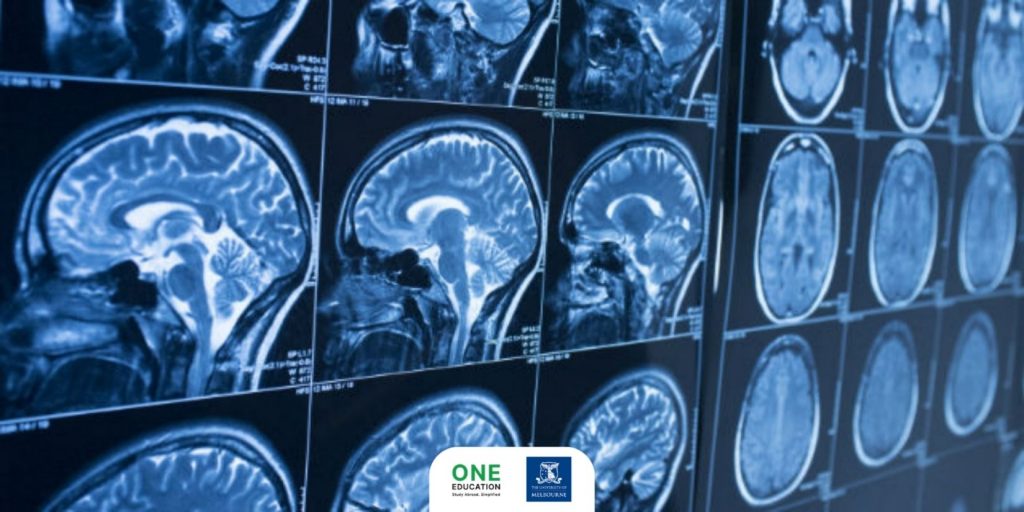
The University of Melbourne offers a Neuroscience Major within two undergraduate degrees: the Bachelor of Science and Bachelor of Biomedicine. Students explore topics ranging from the biology of neurons and neural circuits to the nervous system and complex behaviours.
Duration: 3 years
Intakes: March and July
IELTS: Overall 6.5, with no individual band below 6.0
2027 tuition fees: AUD 58,084 – 65,288 per year
2. The University of Sydney

The Neuroscience Major at the University of Sydney covers both the biology of the brain and the fundamentals of cognition. Students also have opportunities to learn from researchers associated with the Brain and Mind Centre and Charles Perkins Centre.
The Neuroscience curriculum covers topics ranging from the molecular and cellular levels to different systems within the brain, as well as how the brain controls sensation, movement, learning, memory, and emotion.
Students can apply their knowledge to a range of industries and related fields, including pharmaceuticals, medical science, biotechnology, psychology, medicine, and research.
The Neuroscience Major can be taken as part of degrees including:
- Bachelor of Science
- Bachelor of Science (Advanced)
- Bachelor of Science (Medical Science)
- Bachelor of Science (Health)
Duration: 3 years
Intakes: February and July
IELTS: Overall 6.5, with no individual band below 6.0
2027 tuition fees: AUD 63,600 per year
3. Australian National University (ANU)
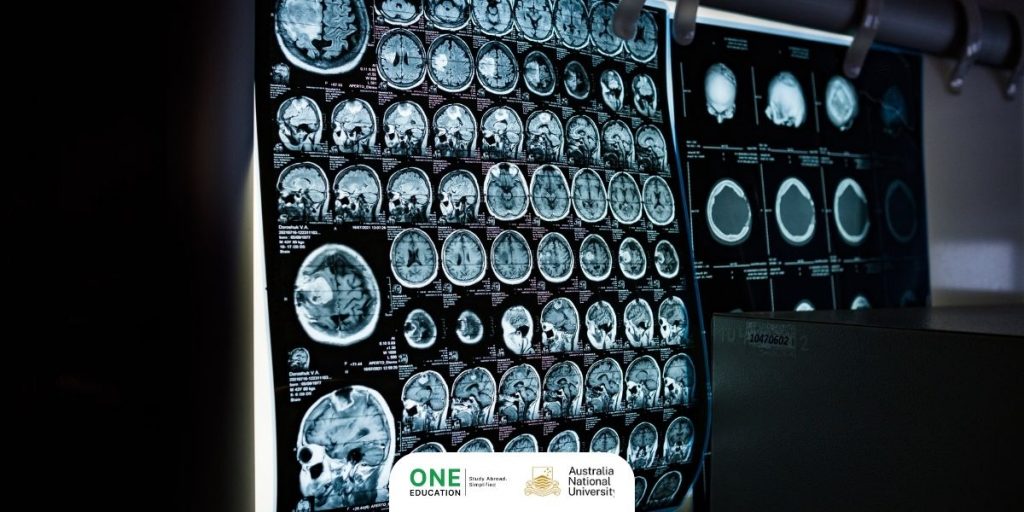
The Australian National University (ANU) offers an interesting option for students looking to combine Neuroscience, Psychology, and Philosophy. One of the standout options is the Bachelor of Philosophy, Neuroscience and Psychology, where students explore subjects ranging from Human Biology, Psychology, and Medical Physiology to Cellular Neuroscience, Neuropsychology, Cognitive Neuroscience, and Systems Neuroscience. The programme also includes a Research Project.
This programme is particularly suited to students who are interested in more than the biological aspects of Neuroscience and want to explore questions related to the Mind, Brain, Behaviour, and Human Cognition.
Examples of subjects include:
- Foundations of Life
- Introduction to Philosophy, Neuroscience, and Psychology
- Logic and Critical Thinking
- Philosophy of Mind
- Neuropsychology and Cognitive Neuroscience
Duration: 3 years
Intake: February
IELTS: Overall 6.5, with no individual band below 6.0
2027 tuition fees: AUD 57,640 per year
4. UNSW Sydney
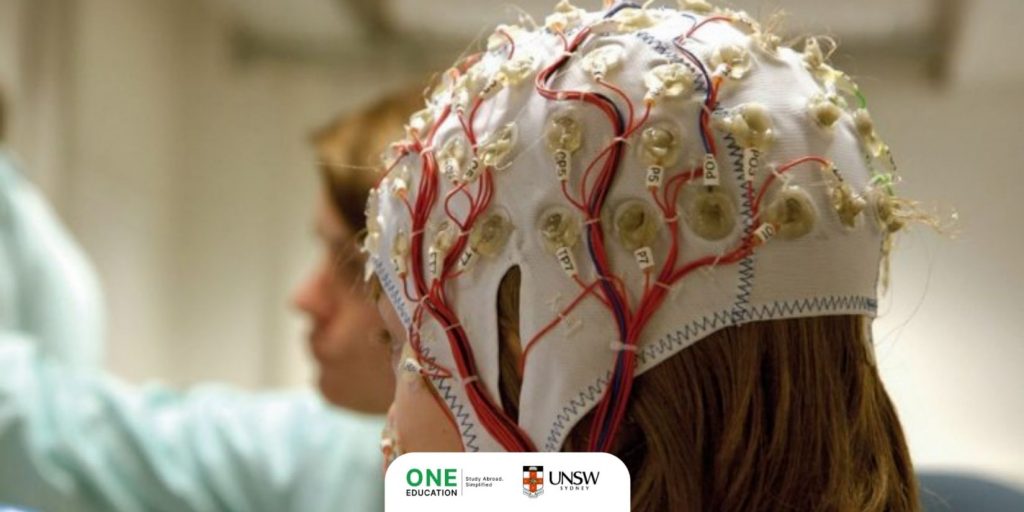
UNSW Sydney offers a Neuroscience Major within its Science-related programmes. The major covers both the biological and behavioural aspects of the nervous system, with teaching and expertise connected across the School of Psychology and School of Biomedical Sciences.
Students who are interested in research can further develop their academic experience through Honours and postgraduate research pathways, such as a Master’s by Research or PhD.
The Neuroscience Major at UNSW Sydney can be taken as part of the following degrees:
- Bachelor of Advanced Science (Honours)
- Bachelor of Science
- Bachelor of Medical Science
- Bachelor of Psychological Science
Duration: 3 – 4 years, depending on the degree selected
Intakes: Varies depending on the degree selected. Please contact the One Education team for further information.
IELTS: Overall 6.5, with no individual band below 6.0
2027 tuition fees: AUD 58,500–62,500 per year, depending on the degree selected
Where Can You Study a Master’s Degree in Neuroscience in Australia?
At postgraduate level, students have a wider range of options, and programmes are not limited to degrees specifically titled Master of Neuroscience. Related programmes may be offered under names such as Master of Brain and Mind Sciences, Master of Biomedical Science, Master of Biomedical and Health Science, or Master of Science.
Therefore, if you are considering postgraduate study in Neuroscience, it is important to choose a programme based on your research interests and the specific topics you want to explore, rather than focusing solely on the programme title.
1. The University of Melbourne – Master of Biomedical Science

The Master of Biomedical Science is a postgraduate programme that combines Biomedical Science, Research, and Industry Skills. It is suitable for students who want to build on their biomedical knowledge and develop research skills for careers in Biomedical Science or further study at PhD level.
The programme goes beyond theoretical learning, allowing students to select subjects based on their interests while completing a Research Project, which is a key component of the programme.
Students also develop skills in Biomedical Science, Research Methods, data collection and analysis, research interpretation, and the design and implementation of research projects—skills that can be applied in real-world professional settings.
Another key feature is the opportunity to study within the Melbourne Biomedical Precinct, one of Australia’s major biomedical research hubs, which brings together more than 40 hospitals, research organisations, and biotechnology organisations within the precinct.
Duration: 2 years
Intakes: March and July
IELTS: Overall 6.5, with no individual band below 6.0
2027 tuition fees: AUD 43,648 per year
2. Monash University – Master of Biomedical and Health Science
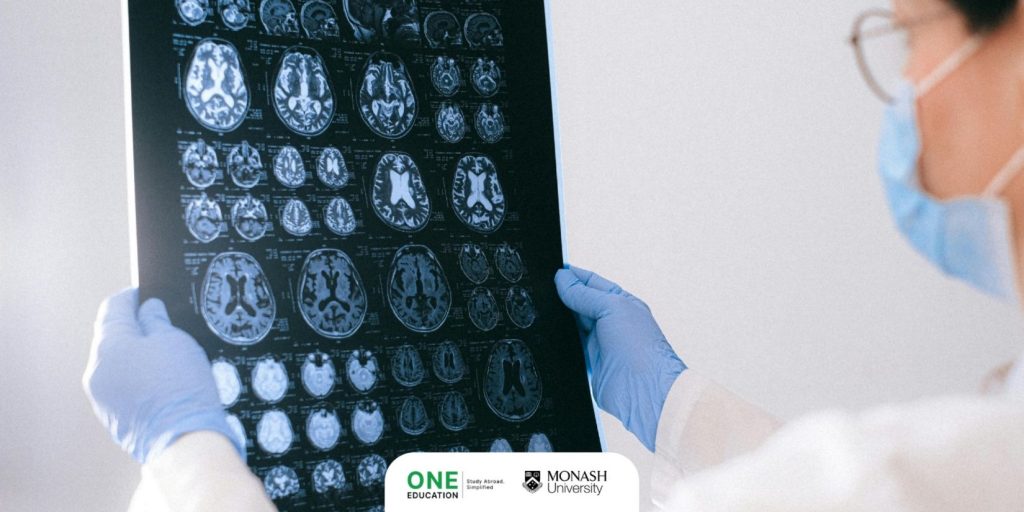
The Master of Biomedical and Health Science focuses on Biomedical Science research and its applications in the healthcare and biotechnology industries. Students develop knowledge and practical skills in Biomedical Theory, Research Methods, Laboratory Techniques, and Professional Skills, with the option to specialise in Neuroscience.
The programme also combines research experience with practical industry exposure through Research Lab Placements and Professional Internships. Students specialising in Neuroscience undertake a Research Project in their chosen area and may have opportunities to complete a professional internship with organisations such as research institutes, biotechnology organisations, pharmaceutical companies, or Monash University partner laboratories.
Duration: 1 or 2 years, depending on the applicant’s qualifications
Intakes: February and July
IELTS: Overall 6.5, with no individual band below 6.0
2027 tuition fees: AUD 55,540 per year*
What Can You Do After Studying Neuroscience?
Studying Neuroscience does not necessarily mean that you have to become a Neurologist after graduation. Neuroscience is a fundamental and research-oriented field that can lead to a wide range of career paths, including:
- Research
Graduates can pursue careers in areas such as Neuroscience Research, Biomedical Research, Research Assistance, and Laboratory Research.
- Pharmaceuticals & Biotechnology
Neuroscience knowledge can be applied to careers involving Drug Development, Drug Evaluation, Biotechnology, and Pharmaceutical Research.
- Psychology & Cognitive Science
For students interested in human behaviour and cognitive processes, Neuroscience can provide a foundation for further study and careers related to Cognitive Science, Psychology, Neuropsychology, and Behavioural Research.
Please note: If you wish to work in a regulated profession, such as a Psychologist or Medical Doctor, you will need to complete the relevant professional degree and meet the registration and professional requirements for that profession. Studying Neuroscience alone does not automatically qualify you to practise in these professions.
- Neuroscience + Technology
Another increasingly relevant career pathway is combining Neuroscience with technology. Knowledge in Neuroscience can be applied to fields such as Artificial Intelligence, Machine Learning, Data Science, Computational Neuroscience, Brain Imaging, and Neurotechnology.
This makes Neuroscience an interesting option for students who want to explore the intersection of Science and Technology and pursue careers at the forefront of brain research and emerging technologies.
Neuroscience vs Psychology: What’s the Difference?
Many students may be confused about the difference between Neuroscience and Psychology because both fields explore the brain and human behaviour. However, they approach these topics from different perspectives. Here is a comparison:
| Neuroscience | Psychology |
| Focuses on the brain and nervous system | Focuses on behaviour and mental processes |
| Biology & Physiology | Behaviour & Cognition |
| Neurons & Neural Circuits | Human Behaviour |
| Brain Function | Psychological Processes |
| Molecular/Cellular Science | Social/Developmental/Clinical Areas |
| Brain Imaging | Psychological Assessment/Research |
Interested in Studying Neuroscience in Australia?
For more information and assistance with the application process, you can contact One Education, an official representative of Australian Universities. We offer free consultation and support throughout your application journey.
Add our Line official account: @one-edu
Submit an enquiry form. We will get back to you as soon as possible.
Call us: 02-652-0718
One Education | Study Abroad. Simplified
Follow Us
Facebook: One Education
Instagram: oneeducationthailand
Twitter: One Education
TikTok: oneeducationthailand
YouTube: One Education
Latest Blogs
University of East Anglia Scholarships 2027 Study Neuroscience in Australia University of Essex Scholarships 2027 University of Leeds Scholarships 2027 New Courses at Newcastle University: Explore Criminology and Law in the UKCategories
Student Diary
Study UK Tips
Study Australia Tips
Popular Courses
Scholarships
English Promotions